

Welcome to CSDSE

The CSDSE division at NYU Shanghai is at the forefront of cutting-edge research and interdisciplinary innovation, providing students with a dynamic learning environment and a global perspective on the rapidly evolving field of Computer and Data science.

The CSDSE division is committed to fostering a dynamic learning environment that equips students with the skills and knowledge needed to thrive in the ever-evolving fields of computer science and data science engineering. With a world-class faculty conducting groundbreaking research, state-of-the-art facilities, and a diverse and vibrant community, we empower students to tackle real-world challenges and make meaningful contributions to the future of technology.

Read more about CSDSE

  • CSDSE Hosts Fall 2026 Major Exploration Session
    Quick Takes
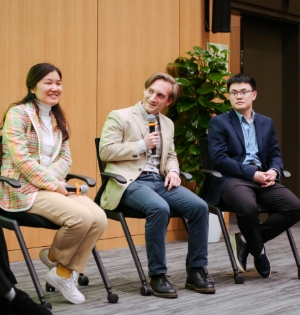
    CSDSE Hosts Fall 2026 Major Exploration Session

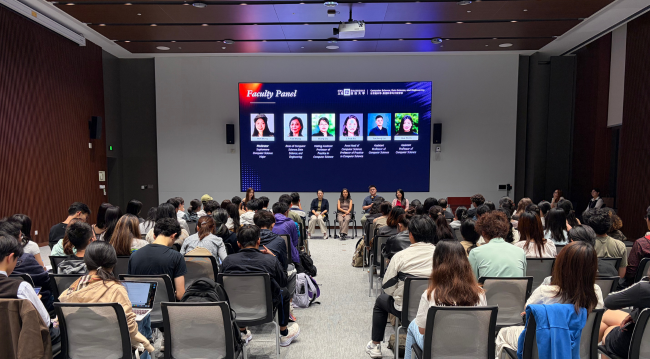
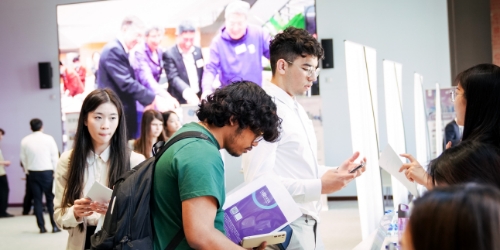
    On Tuesday, October 13, CSDSE hosted a Major Exploration Session to help students learn more about the division’s academic programs, research opportunities, and future career paths. The session opened with remarks from Dean Yao Wang, followed by a faculty panel discussion exploring different majors, research areas, and potential directions for students’ academic and professional development. Four student organizations also introduced their activities and shared opportunities for students to get involved in the CSDSE community.

  • CSDSE Dean’s Open House Brings Students Together with Dean Wang
    Quick Takes
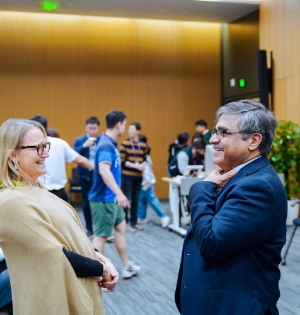
    CSDSE Dean’s Open House Brings Students Together with Dean Wang

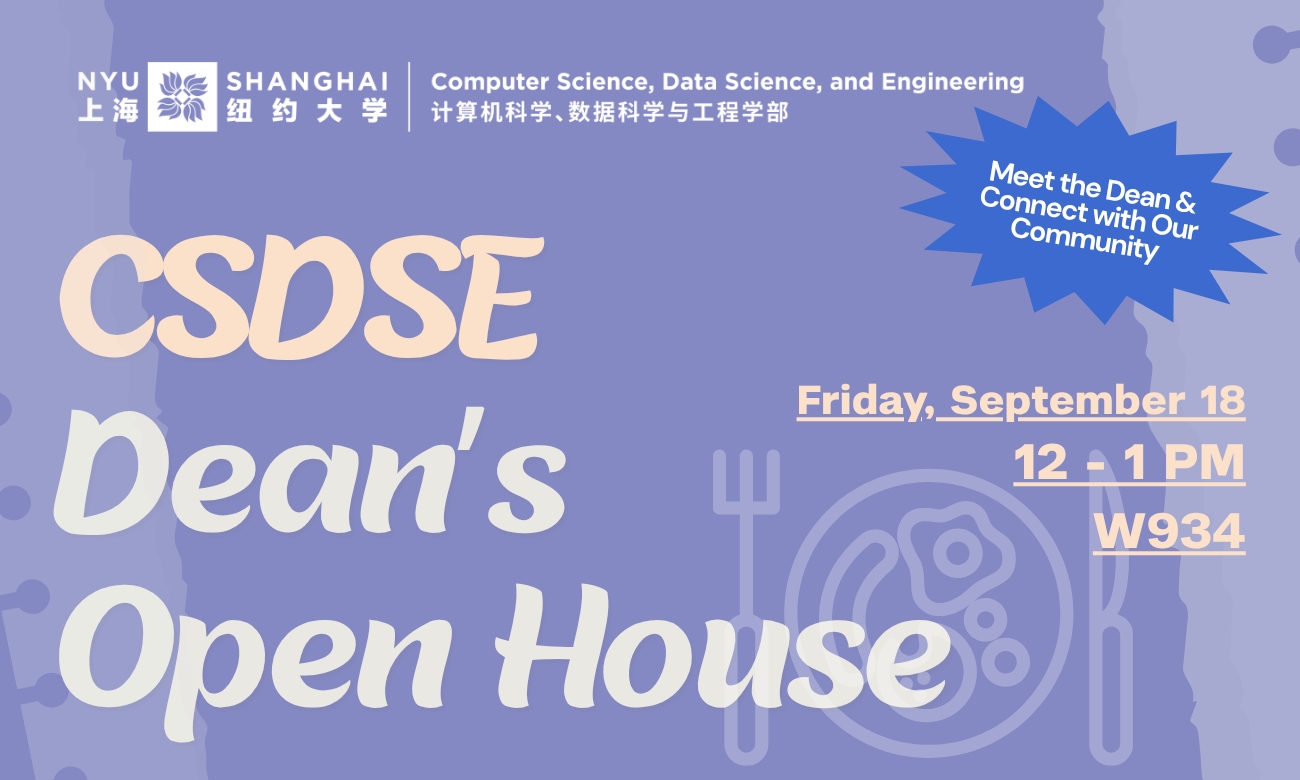
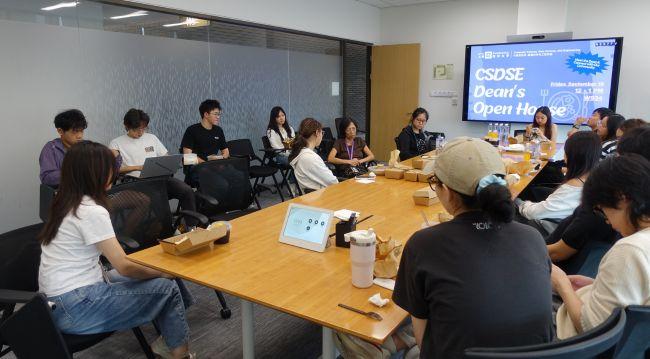
    On September 18, 2026, CSDSE hosted a Dean’s Open House, bringing undergraduate students together with Dean Yao Wang over lunch and an open conversation. Dean Wang shared her own research experiences and offered advice on exploring academic interests within CSDSE, while students had the opportunity to ask questions and learn more about undergraduate research opportunities. The conversation also touched on different career paths and ways students can begin thinking about their interests and goals beyond the classroom.

  • Kiwi Selected for 2026 Shanghai Teaching Reform Program
    Quick Takes
    Kiwi Selected for 2026 Shanghai Teaching Reform Program

    Congratulations to “Kiwi – An AI Learning Companion Platform” on being selected for the 2026 Shanghai Municipal Teaching Reform Advancement Program by the Shanghai Municipal Education Commission. Led by Nasir Memon, Hongyi Wen, Lihua Xu, Shengjie Wang, Keith Ross, and Yao Wang, the project has been recognized for its innovative platform design, effective integration of AI into teaching practices, and outstanding achievements in developing students’ AI competencies.
     

  • First Place at the CVPR 2026 Mars Landslide Segmentation Challenge
    Quick Takes
    First Place at the CVPR 2026 Mars Landslide Segmentation Challenge

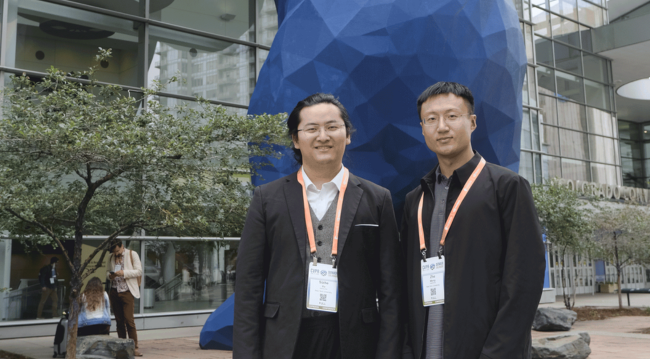
    NYU Shanghai first-year Computer Science PhD student Wang Zhe and incoming Computer Science PhD student Xu Sizhe, advised by Assistant Professor of Urban Studies and Computer Science Wang Zhaonan, won first place in the Mars Landslide Segmentation Challenge at the CVPR 2026 PBVS Workshop.

    The team worked on landslide segmentation using multimodal Martian imagery, a task made especially challenging by limited prior knowledge, distinctive terrain features, and complex spatial semantics of the Martian landscape.

    “This was an incredible opportunity to apply computer vision techniques to planetary data,” the team said. “We hope this achievement brings greater visibility to our research community.”

  • Professor Yao Wang Explores AI Advances in Video and Health
    Quick Takes
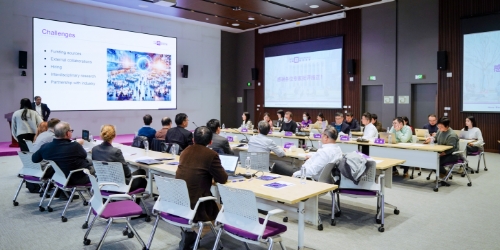
    Professor Yao Wang Explores AI Advances in Video and Health

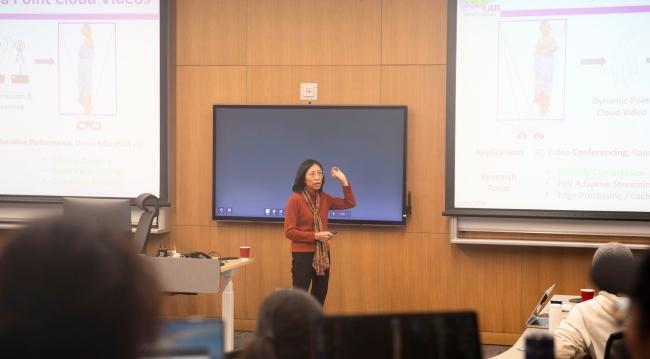
    On March 11, 2026, Professor Yao Wang from NYU Tandon gave a lecture as part of the Distinguished Women in Computing Speaker Series. She spoke about using AI for video streaming and health, highlighting recent research on deep learning for video streaming and health in the NYU Tandon Video Lab. She showcased AI-driven innovations in health applications including work on decoding speech from intracranial neural signals, with the long-term goal of developing neuroprosthetics for individuals with speech impairments.